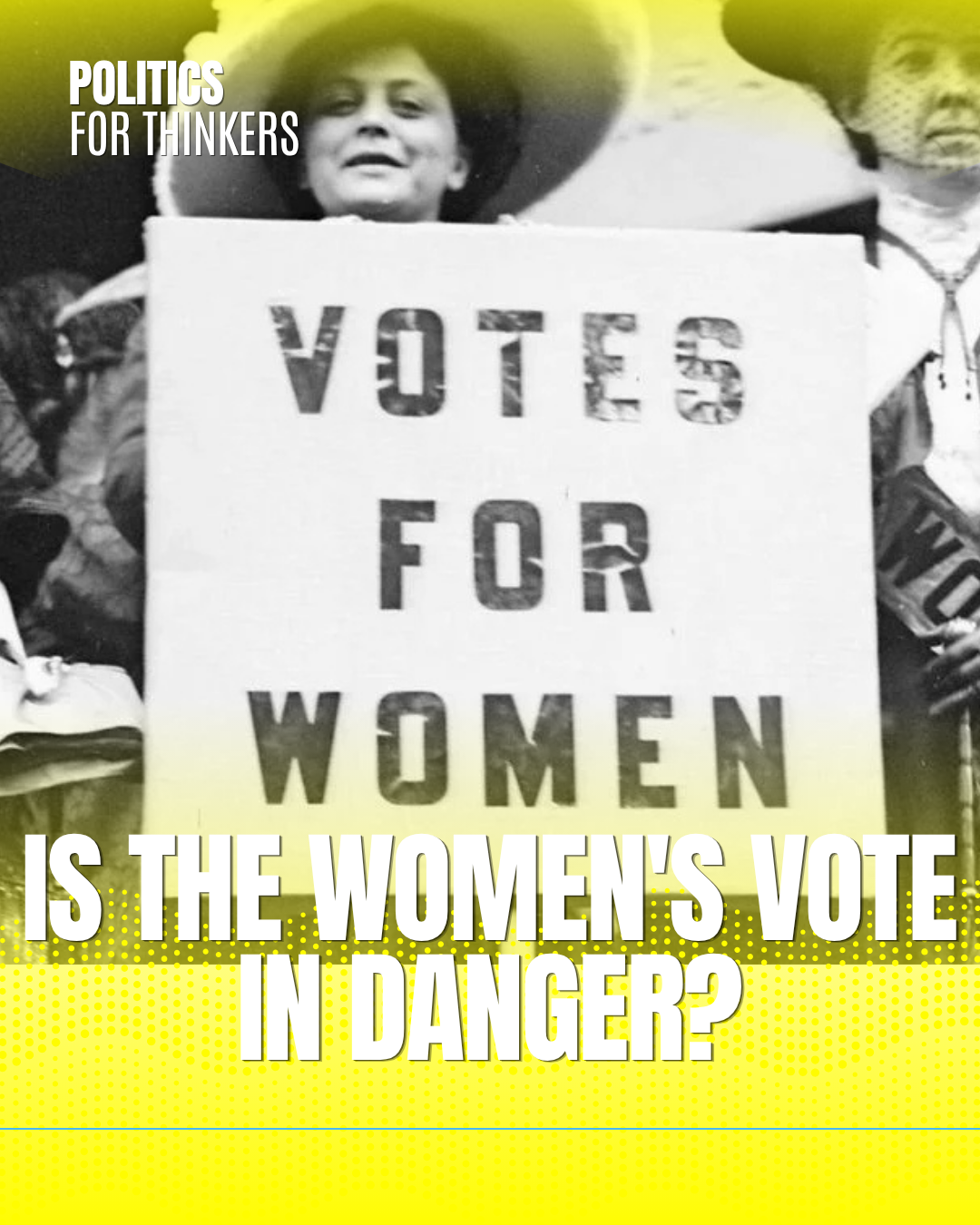
Is women’s right to vote really in danger? The answer is NO.
So how did this narrative, which is being fueled by feminists and progressives, even start?
The idea or claim that women’s suffrage was at risk or that people were seeking to repeal it does not originate from a single place, but rather from a combination of extremist social media movements, electoral disinformation campaigns, and the media version of the “telephone game.”
Mainly in the United States, certain ultra conservative extremist commentators and figures on social media began to popularize debates about repealing the 19th Amendment (the one that granted women the right to vote in the U.S.). At a recent Turning Point USA event, an influencer spoke about “family vote,” fueling this narrative that progressivism started a couple of years ago.
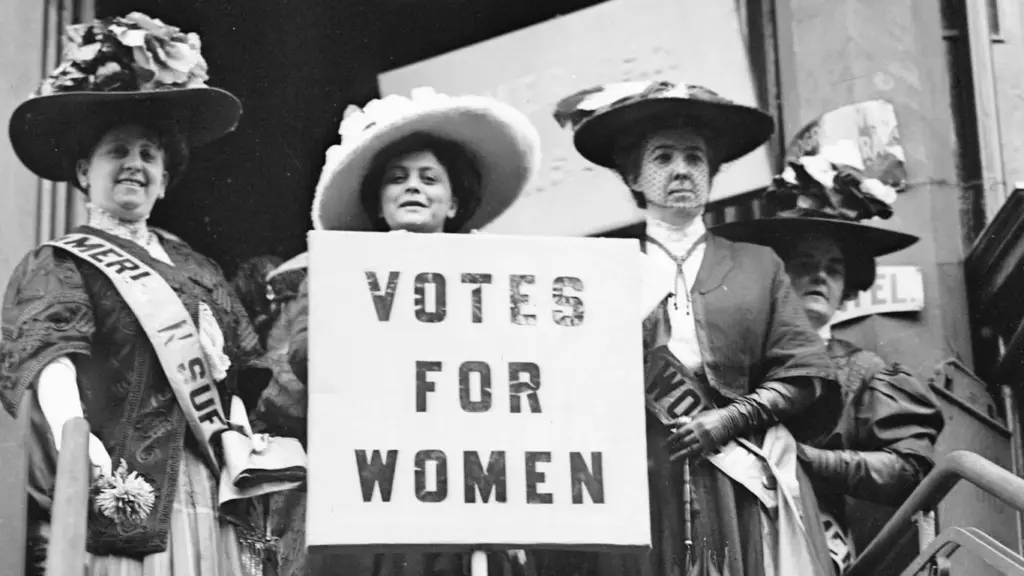
They argued that because a demographic sector of young women tends to vote for progressive or left-wing options, restricting the vote or limiting suffrage to a “household vote” would benefit conservative parties.
Although this is a fringe movement with no institutional or legislative support, these clips and social media threads garnered millions of views on TikTok, X (Twitter), and YouTube, turning the narrative that “there are groups calling to take away women’s right to vote” viral.
During electoral processes in several countries across Latin America and Europe, this narrative was used and amplified as a tool for political confrontation.
Exaggeration of real proposals: When some candidates or parties propose measures such as closing Ministries of Women, eliminating gender parity laws on voting lists, or modifying regulations on gender violence or abortion, opposing sectors push the alarm to extreme claims, asserting that “basic rights like the vote are at risk.”
Fake news and WhatsApp chains: During election periods, irresponsibly created content, manipulated headlines, and edited images attributed to candidates—in which they allegedly promise to cut female suffrage to generate fear or outrage among voters—proliferate.
Confusion over historical debates and gender hoaxes: In countries like Spain or Mexico, there are frequent hoaxes or misrepresentations about the history of women’s suffrage. In fact, Mexico has been the country where content creators have engaged the most in exponentially spreading this lie.
Historical parliamentary discussions are often edited into clips (such as the debates during the Second Spanish Republic in 1931 regarding whether women were ready to vote) to be used as political ammunition in the present, making it seem as though the debate is still ongoing in current institutions.
So, what is actually happening with this topic?
Absolutely nothing. In no country is there a formal legislative initiative or a real bill to strip women of their right to vote. The idea stemmed from a mix of extremist and irresponsible content creators’ comments on social networks, alongside fake news or alarmist headlines used during political campaigns.
There are no petitions, conversations, hearings in the Senate or Congress—simply nothing, NOTHING.
This was taken as an argument from the Biden-Harris electoral campaign to create a problem that doesn’t exist.
Joe Biden commented in their last event that people should vote for them because there was a possibility that a conservative or Republican administration would strip people of their rights, starting with women and the right to vote. I will never forget that moment; my jaw dropped when I heard such an irrational and irresponsible argument. Right after, a content creator saw the perfect opportunity to capitalize on it, and here we are, five years later, discussing a lie repeated by millions of fools who don’t understand the responsibility that comes with freedom of speech.
Neither is women’s vote at risk, nor is the voice of one or two conservative women the voice of all, much less do they have enough influence to eliminate a right that no one can revoke from us.
Many call themselves free thinkers, and due to this controversy, I realize that the thing they know how to do least is think.
Let’s use our brains more and our emotions less.
And please, choose wisely who you listen and follow.

About the author:
Jennifer Barreto-Leyva is a multi-faceted professional and a powerhouse in the Hispanic community.
She is an attorney, journalist, and author. Pro-life activist. Former Fox News correspondent. Is part of the editorial national board of the Republican National Hispanic Assembly. TV and radio host. Former Venezuelan ambassador at the Britts Global organization in the United Nations. Politics analyst. Opinion columnist, President of The Ladies Coalition. Director for LATAM of Latinas 4 life. Currently is the Venezuelan ambassador in the Organization Croce Reale.
Named for Parade Magazine, 8 years in a row, as one of the 50 most influential and powerful Latinas worldwide.